
Energy transition
One of the most urgent issues – and one which many consider to be the root of many other challenges the world faces today – is global climate change. The availability of and access to energy has been paramount in the rapid global economic and social development over the past 200 years, especially in the industrialised world. The reverse, however, is that current energy consumption patterns have a profoundly negative environmental impact. For many years, scientists have been concerned about the local impact of fossil fuel production and the air pollution caused by CO₂ emissions resulting from high levels of energy consumption, especially in densely populated areas. Over the last twenty years, evidence of the all-encompassing environmental impact from our energy consumption has become apparent: climate change. Increasing scientific evidence and – given their strong economic and financial impact – extreme weather conditions have served as a wake-up call, leading to strong public demand for a drastic change in our energy production and consumption in both developing and developed countries. This awareness has resulted in the trend of reducing demand for energy, improving the availability of and increasing the production capacity of renewable energy.
Fiduciary responsibility – beyond financial return
The concept of sustainable development considers the world and our human societies as an integrated system connected by space and time, allowing us to go beyond national borders, juridical regimes and protection systems. In this concept, developments and events that are separated in space and time shape the quality of life. Air pollution in North America can negatively affect the quality of air in Asia. Approval today for shale gas production could result in ground water pollution in ten years’ time. All these events affect prices of natural resources and may restrict access to clean air, clean water or healthy soil, eventually affecting our (future) purchasing power.
This is typically a measure of long-term, sustainable returns. Following the above-mentioned concept of sustainable development, sustainable returns can then be defined as returns that assign monetary values to all the costs and benefits. This approach helps to communicate the full or real value of sustainable project by assessing them on monetary values, including the direct, indirect/non-cash costs and benefits.This approach has often been used as an excuse to stay away from impact investments, on the argument that social or environmental impact detracts from the financial return.
Investing in energy is not only a matter of financial return, but also of safeguarding the stability of supply and to guarantee general access to clean energy. Currently, clean energy makes up for approximately 4 to 10% of the energy mix in Europe. This indicates that there is ample room, but also need, for an increase in investment capacity. More countries are also seeking feasible solutions for their energy requirements and are adding renewable energy as an additional source of energy. Governments keep setting targets for renewable energy production for 2020 and beyond. This requires consistent investment schemes in the coming years.
Investing in energy is not only a matter of financial return, but also of safeguarding the stability of supply and to guarantee general access to clean energy
At the same time, European governments have scaled back subsidies and support programmes. Due to lower capital expenditure (capex) requirements per MWh clean energy, there is some justification for modifying governmental stimulus programmes. Tightening national budgets thus force policymakers to turn to private capital as a key source for funding energy and climate change related projects. The private sector now faces a mature energy sector with investments that are less dependent on subsidies with multiple investment opportunities to diversify energy portfolio, to mitigate for distressed assets in fossil fuel and to safeguard the future from polluted air. The approximately EUR 80 trillion in assets of institutional investors worldwide obviously are more than welcome to help meet the climate change funding challenge.
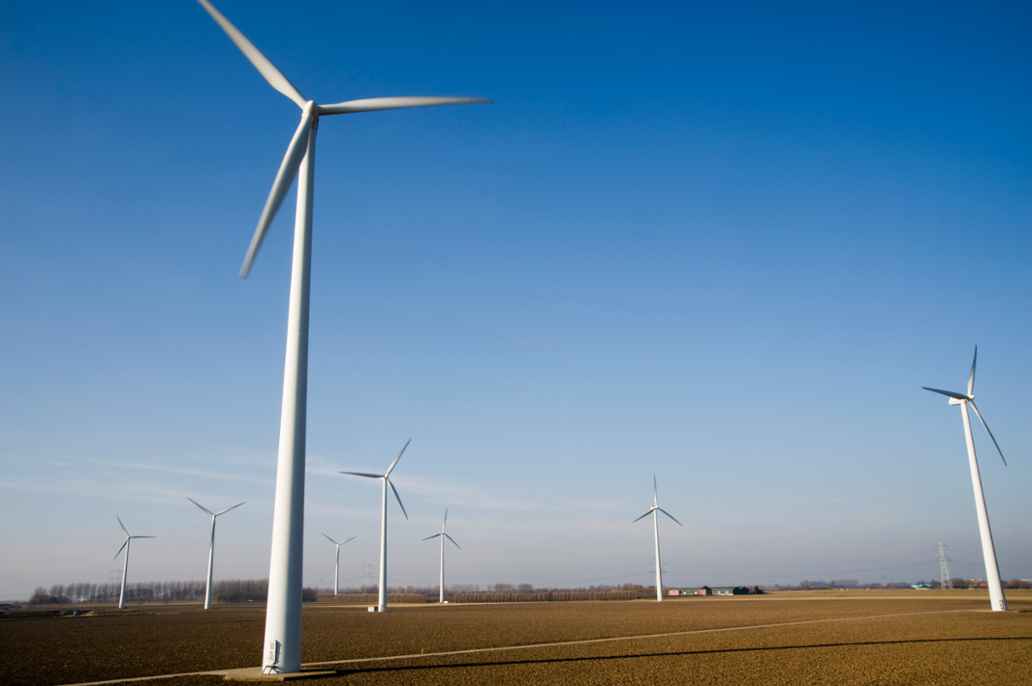
Another development calling on investors’ sense of responsibility is the growing awareness since the financial crisis of 2008 and its aftermath that there is no such thing as unconstrained capital growth without a connection to the real economy. Low interest rates and volatile securities markets are encouraging investments in real assets – e.g. a wind turbine vs. a future contract on energy. Renewable energy investment as an alternative to fossil fuels investment gained wider acceptance over the past few years. Moreover, there is growing awareness that investing is not only about maximising financial profit, but also about social, environmental and economic development. Fiduciary responsibility, increased stakeholder involvement, and market sentiment all have an effect on both professional and private investors and where they invest.
Different returns – sustainable societies and employment
There is a broad choice of projects and assets in which to invest. Investors can choose to invest in projects that reduce the demand for energy, improve the use of renewable energy, and/or increase the generation capacity of renewable energy. Investors also need to consider in which project phase they wish to enter: the development phase, the ‘permission’ phase (water and environmental permits, land agreements, grid connection, etc.), the financial close, or the operational phase. Especially when financing early in the development phase, investors can play an important role with regard to the impact of a project. In the development phase, however, they can have a strong say in setting the health, safety and environmental standards, the governance structures of the project and its ultimate position in the energy transition.
Understanding the value drivers and transaction structures of this sector allows investors to obtain the benefits by supporting a project to the point at which it offers the highest returns, both financially and socially. With the support from experienced investment managers, balanced and sustainable returns can be obtained.
Investment risks
Worldwide, both private and professional investors have become more interested in renewable energy and clean power generation as an investment theme. At the same time, private sector capital has become increasingly important in providing sufficient financial support, given the budgetary constraints faced by many governments around the world.
In general, the financial performance of direct investments in renewable energy shows a lower correlation with stock market dynamics than many other asset classes. This limited correlation makes up for the relatively high entry barriers, due to the following risks: technology risk, country risk and counterparty risk.
- Technology risk is defined as existing technologies becoming redundant when new, more efficient technologies become available. With regard to renewable energy, this risk is limited. The more diversified the energy sector gets, the more different technologies can exist competitively next to each other.
- Country risk mainly concerns the legal and fiscal support governments apply to renewable energy.
- The counterparty risk in renewable energy investments varies per technology segment. The wind industry is the most mature segment, consisting of large companies with long track records, and having strong synergies with other sectors. The counterparty risk is therefore lower in this segment. In the solar segment, the counterparties are generally more local and therefore often smaller.
Investments in renewable energy therefore carry a relatively low risk, given the stable and growing demand for the essential services provided, together with the regulation of the businesses and/or long-term contractual protection of revenues.
Private sector capital has become increasingly important in providing sufficient financial support, given the budgetary constraints faced by many governments around the world.
Direct investments
Investments in renewable energy are usually direct investments and therefore have a different return profile than investments in stock-listed companies. The further development of the renewable energy sector requires commitment and a long-term investment horizon. Ideally, investing in renewable energy is not about gaining short-term profit. Ultimately, a balanced mix between seasoned assets and new assets allows investors to best contribute to the energy transition. Triodos Investment Management follows a buy-and-hold strategy. We establish long-term relationships and develop our portfolio along the way. Triodos Investment Management follows a buy-and-hold strategy. We establish long-term relationships and develop our portfolio along the way.
Step into a dynamic sector
Investors who are considering stepping into renewable energy have to realise that despite its strong growth over the past 10 to 15 years, this sector is still basically an investment niche. There are plenty of opportunities, but actually investing in renewable energy requires a firm level of professionalism, experience and track record. Investing with professional and experienced partners allows every type of investor to support the growth of renewable energy, while benefiting financially and socially from exposure to assets that contribute to the necessary energy transition.
RENEWABLE ENERGY
Triodos Bank has been financing renewable energy for more than 25 years and is a partner of first choice for a relative large amount of developers and investors in the renewable energy sector. Triodos Bank considers energy to be a basic human need and therefore something that we need to ensure is being generated and used on a sustainable basis for future generations.
For an overview of our activities in energy and climate, please visit the Energy and Climate investment strategy page.