Outperforming in animal welfare
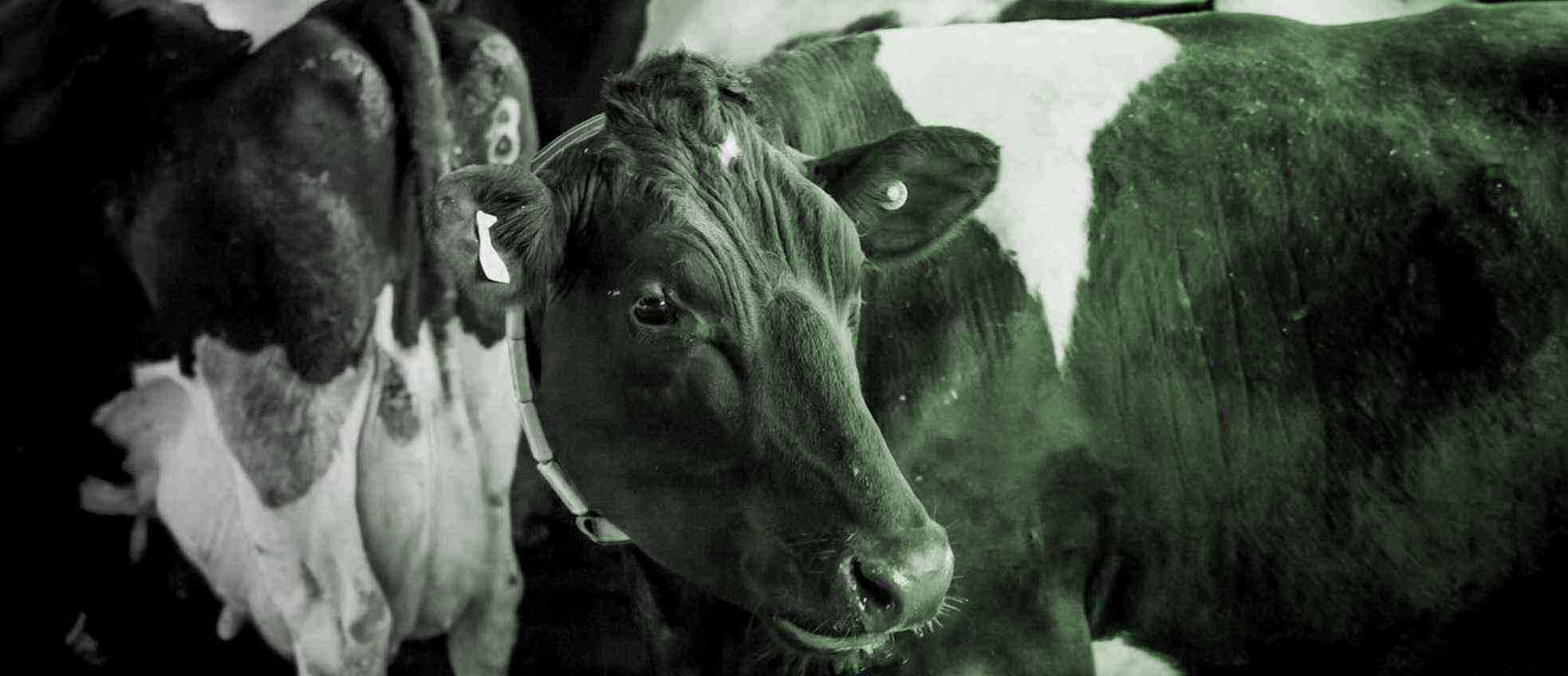
Three industries as different from each other as hospitality, textile and food have one important issue in common: animal welfare. Given the use of animals in all three industries, there is an opportunity to improve animal welfare practices. Senior Triodos Research analyst, Iris Lether shares her top three choices from the Triodos Sustainable Equity Fund, Triodos Sustainable Mixed Fund, and Triodos Sustainable Pioneer Fund portfolios that are primary examples of companies that are outperforming in animal welfare. These companies demonstrate their outperformance by implementing and improving animal-related policies that apply to their entire supply chain.
Whitbread
Whitbread, the U.K.’s largest hospitality company, has a new concise animal welfare policy. This policy includes a number of clear standards, for example on the use of antibiotics and growth hormones, sufficient living space, and supplier management. It has also set a target on farm animal welfare improvements. Whitbread collaborates with suppliers to monitor improvements in the supply chain and policy implementation.
Iris Lether: “Recently, Whitbread was scored as a ’Tier 3’ company by the 2015 Business Benchmark on Farm Animal Welfare. Originally labeled as a ‘Tier 6’ and having no established framework for animal welfare practices, they are well on their way to making the practices integral to the business strategy.
Wessanen
Food company Wessanen takes the issue a step further. Instead of improving animal welfare practices, the company focuses on vegetarian, plant-based food products to replace animal proteins. About 95% of the company’s food products are vegetarian. Products that do contain meat or dairy ingredients are all certified organic.
Iris Lether: “Wessanen links healthiness to the sustainability of food and believes that what is good for us is also good for the planet and vice versa. The company offers organic, vegetarian and natural ingredients that it considers vital in creating healthy and sustainable food choices.”
H&M
Global retailer H&M has adopted The Five Freedoms recommendations on animal welfare set by the World Organisation of Animal Health. These Freedoms provide guiding principles for the treatment of animals. H&M does not use real fur and refrains from testing on animals. The company is transparent about its use of animal products (e.g. animal hair).
Iris Lether: “H&M is one of the leaders in the textile industry for animal welfare because of its transparency. All practices can be found in their reports and the company is very clear on its basic farm requirements. Overall, H&M aims to bring about long-term improvement for the environment through sustainable practices and animal welfare.”
Animal welfare is headed in the right direction
These companies are only a few examples within the Triodos Sustainable Investment Universe that are not only outperforming their peers, but are also showcasing the changes that are happening in (farm) animal welfare. Since 2014, Triodos actively engages with a number of companies in various industries to encourage them to improve their animal welfare policies and standards.
Iris Lether: “Luckily, Triodos is not the only organisation doing this; animal welfare is on the move, in the right direction! We first started to contact companies to discuss with them their current farm animal welfare standards and their plans for the future. Based on these discussions, we provided them with concrete feedback and recommendations per letter. On our side, we learned a lot about the constraints, obstacles companies face on this topic, which helps us in further developing our own criteria.”